CPAP Machines
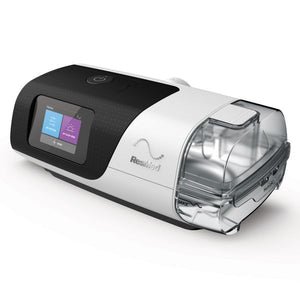
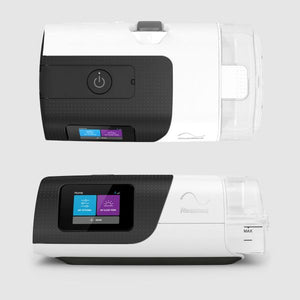
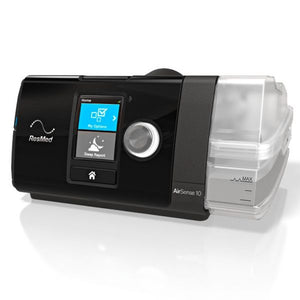
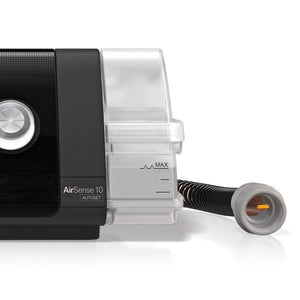
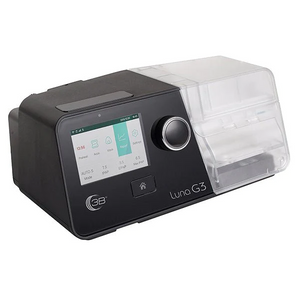
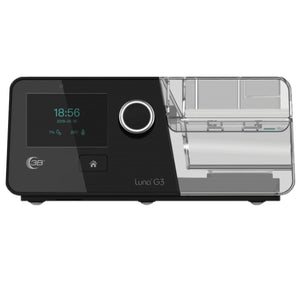
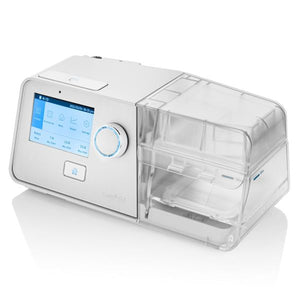
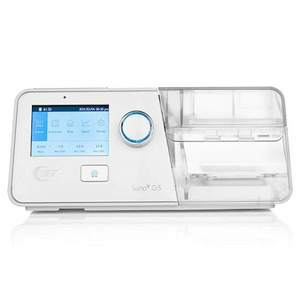
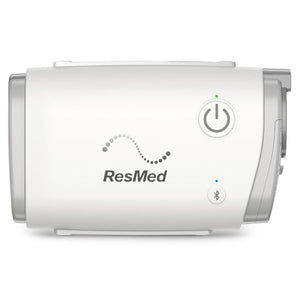
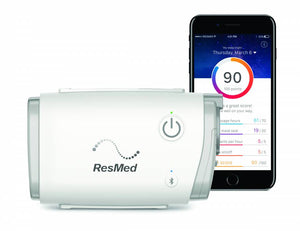
CPAP is an acronym for continuous positive airway pressure. A CPAP works by filtering room air and delivering the pressurized air to a mask you wear while sleeping. This constant flow of air pressure is intended to keep your airway from collapsing and thus providing a more restful and healthy night’s sleep. These devices are prescribed by physicians and are available in fixed pressure, auto adjusting or bi-level models. The type of device you need if often determined by the severity of your apnea and therapy needs. Heated humidifiers are available and recommended to prevent dryness that can be caused by direct pressure.
Read More
Auto Adjusting CPAP Machines
Auto CPAP machines can detect apnea and snoring events during sleep and automatically increase or decrease air pressure as needed. This technology is great for people that may have frequent fluctuations with sleep patterns, positions, medications, and weight change. These devices call also be programmed to operate in auto or fixed pressure mode. Over the past decade these models have been the most purchased and recommended by physicians
Fixed Pressure CPAP Machines
A fixed pressure or “standard” CPAP machine delivers one pressure setting (steady or constant) during the night. The pressure setting is often determined by your physician after you stayed a night at a sleep lab. These devices are most often used by people that like the machine to stay at one pressure setting throughout the night. The pros about a fixed pressure CPAP devices are the cost and the ability to control or keep the setting at a level that is comfortable and constant. The cons are that it will not adjust automatically based on your needs and you may need to visit your physician for pressure changes frequently.
Bi-Level or BiPAP Machines
Bi-Level (BiPAP) machines offer two separate pressure settings during sleep that alternates between your inhale and exhale breaths. This is a great technology for people with moderate to severe sleep apnea that have a hard time breathing against high pressures. The pressure settings of a Bi-Level are often a difference of 3 to 6 cm/H2O. Bi-Level and BiPAP machines are available in standard or auto adjusting models and typically used for people with COPD, CPAP intolerance due to high pressures and underlining health issues.
What Are the 3 Types of PAP Therapy?
The three types of PAP treatments include continuous positive airway pressure, auto-titrating devices and bilevel positive airway pressure.
-
CPAP machines were developed in the 1980s and deliver a set level of air pressure at a fixed rate.
-
Auto-titrating devices, in turn, adjust the amount of air pressure given depending on a person's breathing pattern.
-
BiPAP machines switch between two different types of air pressure depending on a person's breathing pattern.
Which Is Better, CPAP or BiPAP?
Both CPAP and BiPAP devices have their place depending on the medical condition being treated. While CPAP machines are recommended for people with obstructive sleep apnea, BiPAP machines are usually recommended for more complex sleep-related issues such as complex sleep apnea and chronic obstructive pulmonary disease.
While CPAP machines have a high success rate of getting approved with insurance, BiPAP machines may be more suitable for a person's health condition. We recommend speaking with a medical expert to find out which medical device is most suitable for you and your sleep-related needs.